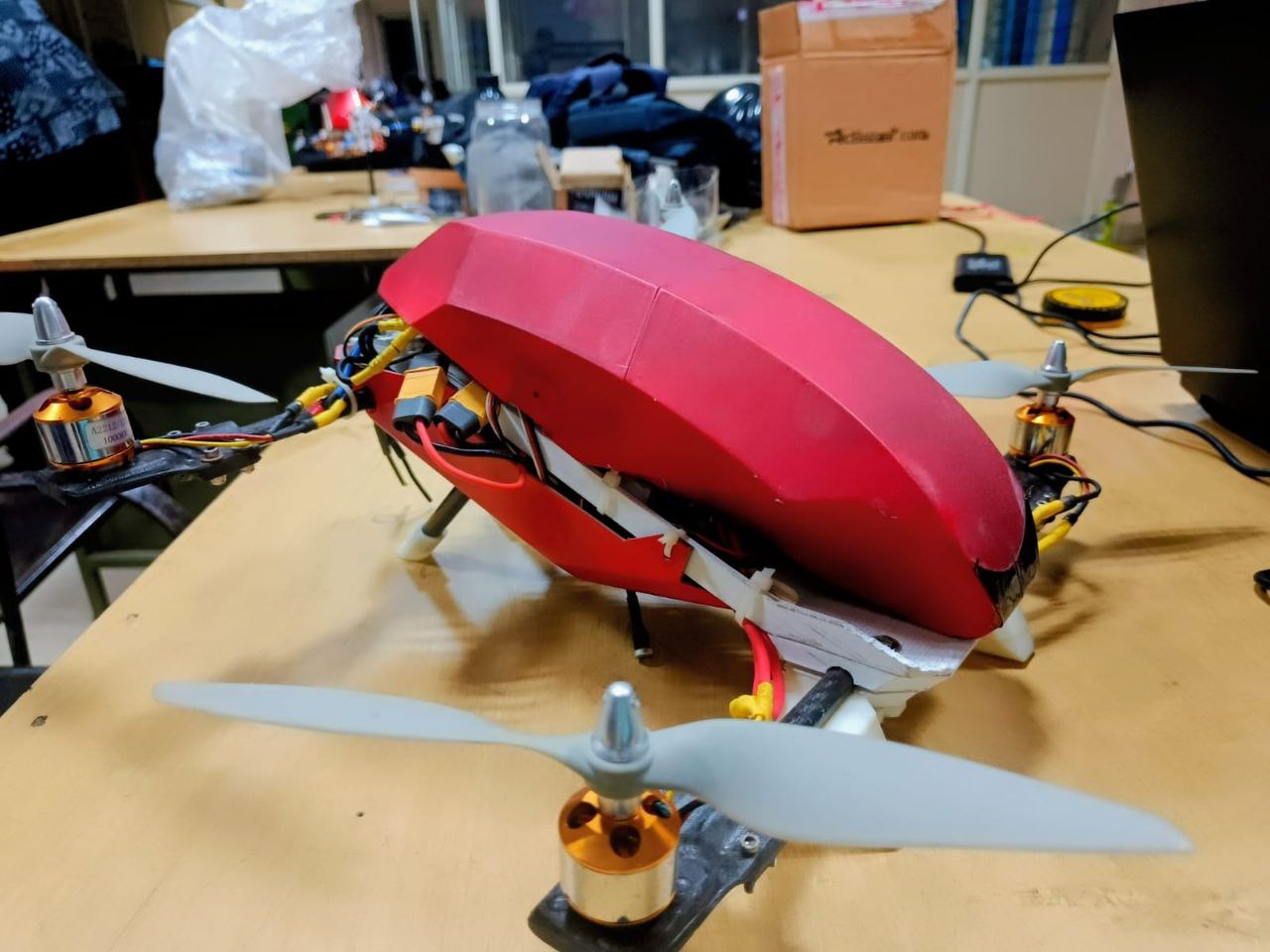
Unveiling the Vermilion: A Symphony of Innovation and Aesthetics in H-Configuration Introduction:In the realm of drone design, a new marvel takes flight with the Vermillion. This groundbreaking project, spearheaded by interns from the UDT Mechanical Design Program’s 2022-23 batch, showcases a blend of visionary design conceptualized by “The Designer” at Project Faction and the collaborative efforts of Aswin PK, Chris Jose Panicker, and Athulya Ramesh. As we delve into the intricacies of this drone, we uncover a symphony of innovation and aesthetics. The Conceptualization:“The Designer” at Project Faction envisioned a drone that not only defied conventional design norms but also stood out as a piece of art in the sky. The UDT interns, Aswin PK, Chris Jose Panicker, and Athulya Ramesh, played a crucial role in translating this vision into reality by 3D modeling the chassis and interior structures, giving life to a unique concept that seamlessly blends form and function. Unique Shell Design:The Vermilion boasts a distinctive 3-piece shell design. The main shell encloses the flight controller, while two fender-like shells on either side house the ESCs of the motors. This design not only adds to its aesthetic appeal but also serves a functional purpose. The ESC compartments are strategically designed to collect airflow during flight, regulating the temperature and ensuring operational efficiency. Carbon Fiber Components:Continuing the tradition of innovation from Project Faction, the Vermilion incorporates motor mounts made from carbon fibers, as introduced in the previous blog on custom carbon fiber mounts. This not only enhances the drone’s structural integrity but also significantly reduces weight, contributing to its overall agility and performance. H-Shaped Chassis Configuration:The chassis of the Vermilion adopts an H-shaped configuration, providing stability and balance during flight. Carbon fiber tubes serve as the arms, ensuring a lightweight yet robust structure. The Pixhawk flight controller orchestrates the drone’s movements, while A2212 BLDC motors, 40A ESCs, and a 3S LiPo 1500mAh battery power its flight. Innovation in Action:Printed at Project Faction, the Vermilion weighs in at 1.5 kg, a testament to the team’s dedication to advanced technologies in an affordable manner. The drone has not only won accolades at various college events but also stole the spotlight at Ente Keralam 2023, captivating the audience and sparking inquiries from enthusiasts eager to own this innovative design. Conclusion:The Vermilion stands as more than just a drone; it is a testament to the collaborative spirit of the UDT Mechanical Design Program interns and the visionary design of “The Designer” at Project Faction. As it gracefully soars through the skies, this drone represents a harmonious convergence of cutting-edge technology and artistic design.
Multi-Mission Tri-Copter
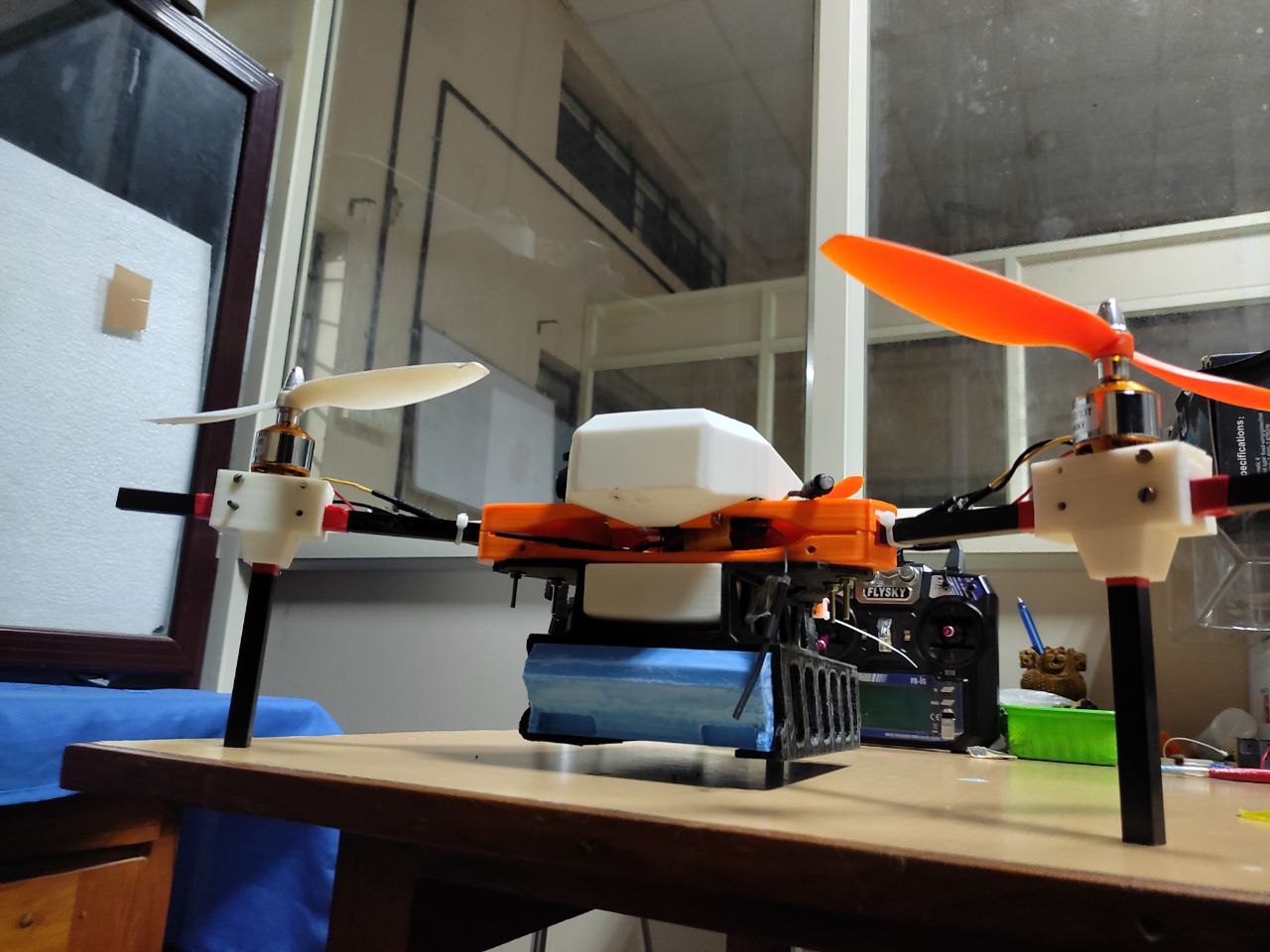
Unleashing Versatility: The Multi-Mission Tricopter from Sivaji College of Engineering and Technology Introduction:In the innovative landscape of drone design, a new multi-mission capable tricopter emerges as a testament to creativity and functionality. This proof-of-concept marvel, crafted by students Anoop A.P., Muhammad Faizal A, Karthikdeep J. and Bijil A.B., Mechanical Engineering undergraduates (2019-23) from Sivaji College of Engineering and Technology in Nayyatinkara, Trivandrum, Kerala, pushes the boundaries of aerial capabilities. Let’s unravel the story of this rugged yet versatile tricopter, a smaller version designed for a specific project but leaving a lasting impact. The Design Genesis:At the heart of this aerial innovation lies the vision of “The Designer” at Project Faction. This visionary conceptualized a tricopter that goes beyond conventional limits, offering a glimpse into the future of aerial missions. The project, executed by students from Sivaji College of Engineering and Technology, is a fusion of rugged aesthetics and multi-mission functionality. Versatility in Payload:What sets this tricopter apart is its multi-mission capability. The payload bay serves as a versatile platform, accommodating various accessories such as floodlights, public announcement systems, and even a package dropping mechanism. This adaptability opens doors to a myriad of applications, from search and rescue missions to surveillance and public events. Rugged Aesthetics:Despite its proof-of-concept nature, the tricopter doesn’t compromise on aesthetics. The rugged design not only adds a touch of resilience but also reflects the dedication of the students in crafting a drone that can withstand various operational challenges. The combination of carbon fiber tubes for the arms and a 3D-printed frame contributes to both durability and lightweight construction. Technical Specifications: – Flight Controller: Pixhawk– ESCs: 40A– Motors: A2212– Frame: 3D printed– Arms: Carbon fiber tubes– Propellers: 9-inch– Weight (without payload): 1.2 kg– Payload Weight Capacity: 300 grams– Battery: 2200mAh LiPo Academic Prowess from Sivaji College:This tricopter project proudly represents the ingenuity of students from Sivaji College of Engineering and Technology. Their dedication to pushing the boundaries of drone technology for a specific project showcases the innovative spirit cultivated within the college. Conclusion:As we witness the unveiling of the multi-mission tricopter from Sivaji College of Engineering and Technology, we’re reminded of the boundless possibilities that lie ahead in the realm of drone design. This proof-of-concept marvel, conceptualized by “The Designer” at Project Faction, not only showcases technical prowess but also highlights the collaborative efforts of aspiring engineers in Trivandrum, Kerala. This tricopter stands as a testament to the limitless potential of aerial missions, even in its smaller, project-specific form.